Toronto’s Green Roof Initiative: Building a More Sustainable City
The Initiative
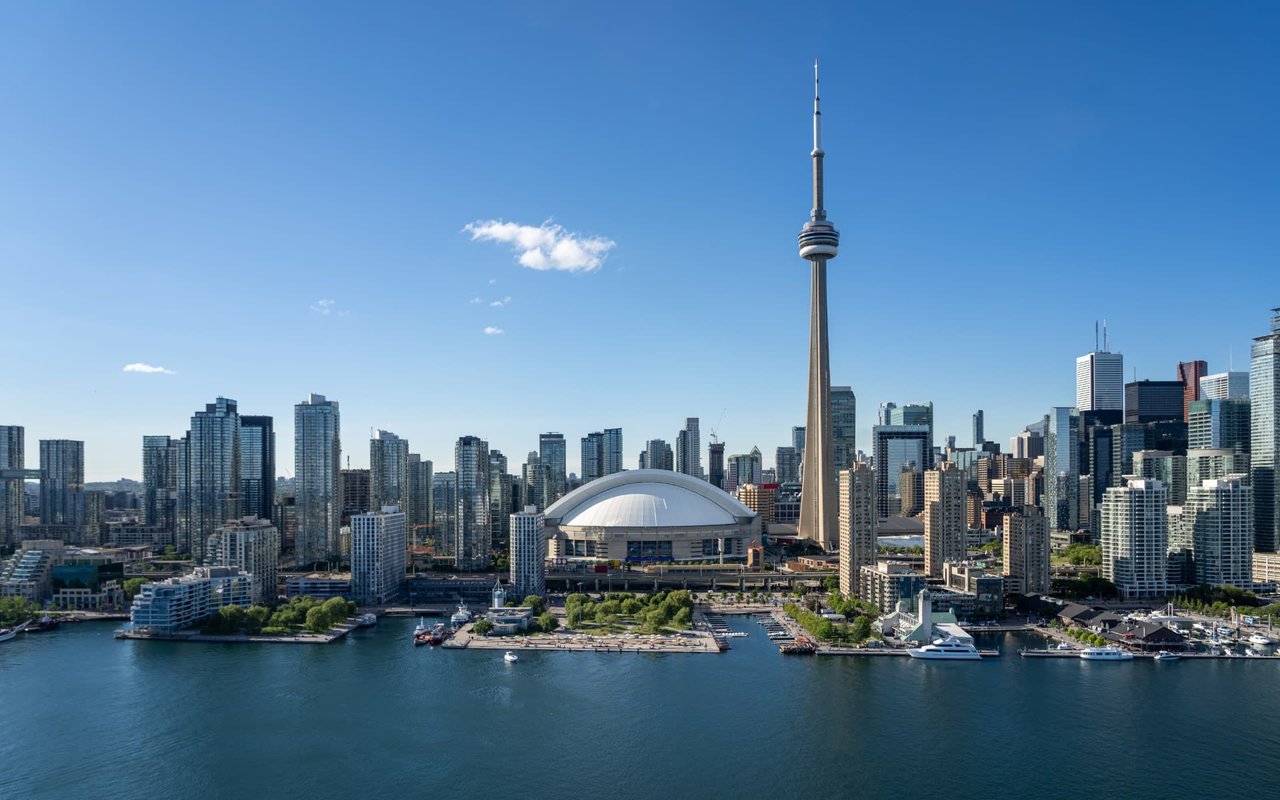
As Canada’s largest urban centre, Toronto continues to face the environmental pressures that come with rapid growth, increased density, and climate change.
Rising temperatures, aging stormwater infrastructure, and growing energy demands have pushed the city to seek innovative solutions for sustainable development.
Toronto became the first city in North America to adopt a mandatory green roof bylaw for new developments.
Introduced in 2009 and implemented beginning in 2010, the Green Roof Bylaw requires many new commercial, institutional, and residential developments larger than 2,000 square metres to include green roof coverage.
Depending on the size of the building, between 20 and 60 percent of available roof space must be covered with vegetation.
What is a Green Roof
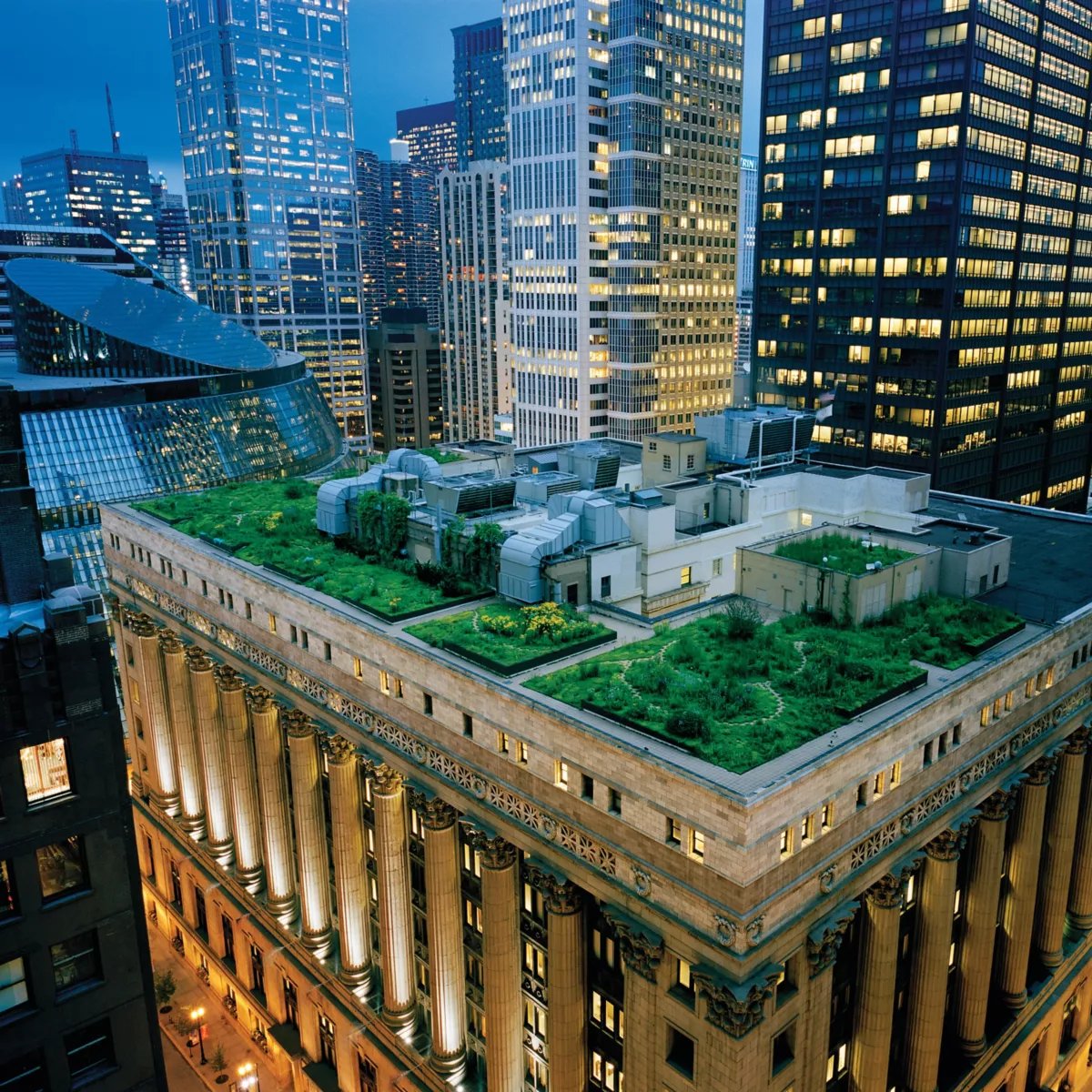
A green roof is a rooftop system partially or completely covered with vegetation and growing medium installed over a waterproof membrane.
These systems can range from lightweight extensive green roofs with grasses and sedum plants to larger intensive green roofs that may include shrubs, trees, and recreational spaces.
Benefits of Green Roofs
Beyond aesthetics, green roofs provide a wide range of environmental and economic benefits that align with Toronto’s long-term sustainability goals.
One of the primary reasons Toronto adopted the initiative was to address stormwater management challenges.
Traditional rooftops rapidly channel rainwater into municipal sewer systems, which can overwhelm infrastructure during heavy rainfall events.
Green roofs help absorb and retain rainwater, reducing runoff and slowing the release of water into drainage systems.
This helps lower the risk of basement flooding, sewer overflows, and water pollution in nearby waterways.
The initiative also plays an important role in combating the urban heat island effect.
Urban areas often experience significantly higher temperatures than surrounding rural regions because concrete, asphalt, and dark rooftops absorb and retain heat.
Green roofs naturally cool buildings and surrounding areas by providing insulation and through evapotranspiration, the process by which plants release moisture into the air.
Studies have shown that green roofs can help reduce rooftop temperatures dramatically during summer months while improving overall urban climate resilience.
Energy efficiency is another major advantage of Toronto’s green roof strategy.
Vegetated roofs act as natural insulation, helping buildings stay cooler in the summer and warmer in the winter.
This reduces reliance on heating and air conditioning systems, lowering both energy costs and greenhouse gas emissions.
For property owners and developers, these operational savings can provide long-term financial benefits while supporting broader climate objectives.
Beyond environmental performance, green roofs contribute to biodiversity and urban livability.
In densely built environments where green space is limited, rooftops can become valuable habitats for birds, pollinators, and native plant species.
Green roofs also improve air quality by filtering pollutants and capturing airborne particles. In some cases, they create accessible outdoor spaces for building occupants, enhancing wellness and improving quality of life in urban settings.
Exemptions to the Bylaw
While the bylaw applies broadly to new large-scale developments, Toronto’s Green Roof Bylaw does include several important exemptions and alternatives.
Certain industrial buildings, mechanical roof areas, and spaces dedicated to renewable energy systems such as solar panels may be exempt from green roof coverage requirements.
In addition, portions of rooftops used for recreational amenities, terraces, emergency access routes, or rooftop equipment may not count toward the required vegetated area.
The bylaw also recognizes that not all buildings are structurally or practically suited for full compliance.
In situations where a green roof may not be technically feasible, developers can apply for partial exemptions or pursue alternative compliance measures.
One of the most commonly used alternatives is the payment of cash-in-lieu contributions.
Under this option, developers may contribute funds to the city instead of constructing a portion of the required green roof area.
These funds are then directed toward other environmental and sustainability initiatives throughout Toronto.
There are also exemptions for certain residential projects. Low-rise residential buildings, including many detached homes and smaller residential developments, generally fall outside the mandatory bylaw requirements.
However, these property owners may still voluntarily install green roofs and potentially access incentive funding through the city’s Eco-Roof Incentive Program.
Financial Incentives
To encourage broader participation, the City of Toronto introduced financial incentive programs alongside the bylaw.
Through the Eco-Roof Incentive Program, eligible property owners may receive grants to help offset installation costs for green roofs and cool roofs.
The city recognizes that while green roofs provide substantial public environmental benefits, initial construction costs can be higher than conventional roofing systems.
Incentive funding has helped encourage adoption among private property owners and institutions seeking to improve building sustainability.
Leading the Way
Toronto’s leadership in green roof policy has attracted international attention.
Organizations focused on climate resilience and sustainable urban planning frequently reference Toronto as a model for integrating green infrastructure into municipal policy.
The city’s Green Roof Construction Standard has also influenced design practices and building standards across North America.
Several notable projects across Toronto demonstrate the impact of the initiative.
Municipal buildings, libraries, educational institutions, condominium towers, and commercial developments have incorporated green roofs into their design.
The city itself requires many municipal buildings to include green roofs covering at least 50 percent of available roof space.
These installations not only improve environmental performance but also showcase how urban infrastructure can be integrated with nature.
Researchers and urban planners increasingly view green roofs as a critical component of resilient city design.
Emerging studies continue to explore how strategic placement of green roofs throughout Toronto could maximize cooling effects, improve stormwater performance, and enhance ecosystem services across the city.
Conclusion
Toronto’s Green Roof Initiative demonstrates how municipal policy can drive meaningful environmental change while encouraging innovation in urban development.
By transforming unused rooftop space into functional green infrastructure, the city has positioned itself as a leader in sustainable building practices.
Although challenges remain, including construction costs, structural limitations, and ongoing maintenance requirements, the long-term environmental and economic benefits continue to support the case for green roofs as an essential part of Toronto’s future.
In a rapidly urbanizing world, Toronto’s experience offers an important example of how cities can adapt to climate pressures while creating healthier, greener, and more resilient communities.