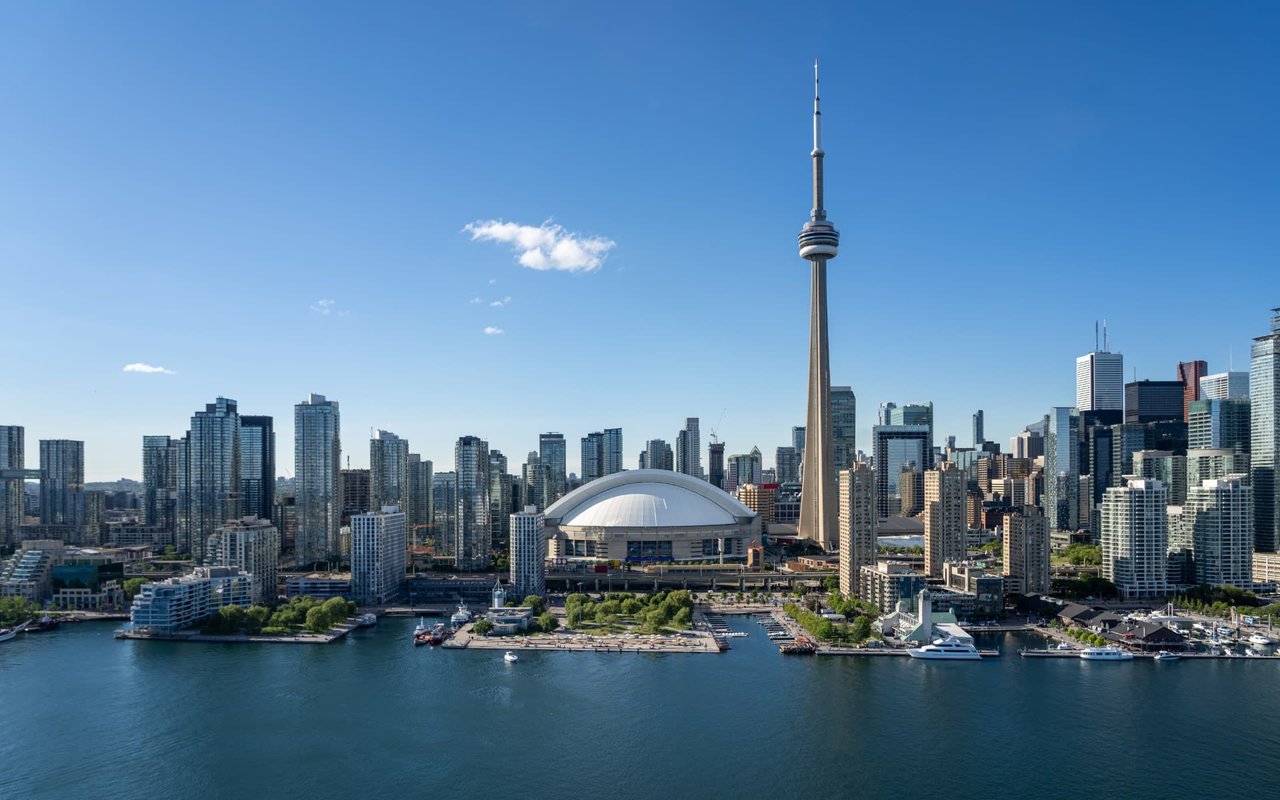
Renting vs. Buying in Toronto: Which Option Is Right for You?
One of the biggest financial decisions you’ll ever make is whether to rent or buy a home.
In a city like Toronto, where housing prices, mortgage rates, and rental costs continue to evolve, deciding between the two can feel overwhelming.
While homeownership has traditionally been viewed as a cornerstone of financial success, renting has become an increasingly attractive option for many residents due to rising home prices, changing lifestyles, and greater flexibility.
The truth is that there is no universal answer. The best choice depends on your financial situation, career plans, family goals, and how long you intend to stay in the city.
Understanding the advantages and disadvantages of both options can help you make a confident and informed decision.
The Benefits of Buying a Home
For many Canadians, buying a home represents more than just having a place to live—it is an investment in their future.
Owning property allows you to build equity, benefit from potential appreciation, and establish long-term financial stability.
Building Equity
One of the greatest advantages of buying a home is that every mortgage payment contributes toward ownership.
Unlike rent payments, which go directly to a landlord, a portion of each mortgage payment reduces your loan balance and increases your equity in the property.
Over time, this equity can become a significant financial asset.
Many homeowners use accumulated equity to finance renovations, purchase investment properties, or help fund retirement.
Long-Term Appreciation
Although real estate markets naturally experience cycles, Toronto has historically shown strong long-term growth.
Population increases, immigration, limited land supply, and a diverse economy have all contributed to long-term appreciation in property values.
While no investment is guaranteed, homeowners who remain in the market for several years have often benefited from increasing home values despite short-term fluctuations.
Greater Stability
Homeownership provides peace of mind by giving you control over your housing situation.
You don’t have to worry about a landlord deciding to sell the property or ending your tenancy under circumstances permitted by Ontario law.
For families, this stability can be especially valuable, allowing children to remain in the same schools and neighbourhoods for many years.
The Downsides of Ownership
Ongoing Maintenance
Unlike renters, homeowners are responsible for every repair and maintenance issue.
Roof replacements, plumbing repairs, appliance failures, furnace servicing, landscaping, and unexpected emergencies all become the homeowner’s responsibility.
Many financial experts recommend setting aside approximately 1% of the property’s value each year for maintenance and repairs.
Less Flexibility
Owning a home can make relocating more complicated.
Selling a property takes time and involves real estate commissions, legal fees, and potential market uncertainty.
If your career requires frequent moves or you’re unsure where you’ll be living in a few years, renting may offer greater flexibility.
The Benefits of Renting
Renting remains an excellent choice for many Toronto residents, especially first-time professionals, students, newcomers to Canada, and those who value flexibility.
Lower Upfront Costs
Renting generally requires only first and last month’s rent, tenant insurance, and moving expenses.
This allows renters to enter the housing market without needing to save a substantial down payment or pay significant closing costs.
For individuals still building their savings or paying down debt, renting may provide valuable financial breathing room.
Greater Mobility
One of renting’s greatest advantages is flexibility.
If you receive a job offer in another city, decide to travel, or simply want a change of neighbourhood, moving is generally much easier than selling a home.
This flexibility can be especially beneficial for younger professionals whose careers are still evolving.
Predictable Maintenance Costs
When something breaks in a rental property, repairs are generally the landlord’s responsibility.
Whether it’s a leaking roof, malfunctioning furnace, or plumbing issue, renters typically avoid the unexpected repair bills that homeowners often face.
This can make monthly budgeting much more predictable.
Living in Premium Locations
Many people can afford to rent in neighbourhoods where purchasing would be financially unrealistic.
Areas such as downtown Toronto, Yorkville, Liberty Village, and the Entertainment District often offer rental opportunities that provide access to employment, public transit, restaurants, and entertainment without the significant financial commitment of ownership.
The Downsides of Renting
While renting offers flexibility and convenience, it also comes with certain disadvantages.
No Equity Growth
Perhaps the biggest drawback is that rent payments do not build ownership. After years of paying rent, tenants generally do not accumulate any financial asset from those payments.
Less Control
Renters often have restrictions on renovations, decorating, pets, and even minor modifications to their living space. Depending on the lease agreement, making significant changes may require the landlord’s approval.
Housing Uncertainty
Although Ontario provides strong tenant protections, renters may still experience uncertainty if a landlord sells the property or if circumstances arise where the tenancy can legally end. This may require finding a new home in an increasingly competitive rental market.
When Buying Makes Sense
Buying may be the better option if you:
Plan to remain in Toronto for at least five to seven years.
Have stable employment and reliable income.
Have sufficient savings for a down payment and emergency fund.
Can comfortably afford ongoing ownership costs.
Want to build long-term wealth through home equity.
Prefer housing stability and the freedom to customize your property.
When Renting Makes Sense
Renting may be the better choice if you:
Expect to relocate within the next few years.
Are still saving for a down payment.
Prefer lower upfront costs.
Value flexibility.
Do not want the responsibility of home maintenance.
Want to live in a neighbourhood where buying would exceed your budget.
The Bottom Line
Choosing whether to rent or buy in Toronto is ultimately a personal decision.
While buying offers the opportunity to build equity, benefit from long-term appreciation, and establish financial stability, renting provides flexibility, lower upfront costs, and fewer maintenance responsibilities.
There is no universally “better” option—only the one that best fits your financial goals, lifestyle, and future plans.
Before making a decision, carefully evaluate your income, savings, career objectives, and how long you expect to stay in the area.
Speaking with an experienced real estate professional and mortgage advisor can also provide valuable insight into today’s market conditions and help you understand what you can realistically afford.
Whether you choose to rent or buy, making an informed decision is the key to achieving long-term financial success.
By understanding the true costs and benefits of each option, you’ll be better prepared to choose the path that supports your goals and provides the lifestyle you want in one of Canada’s most dynamic housing markets.